Blog
-
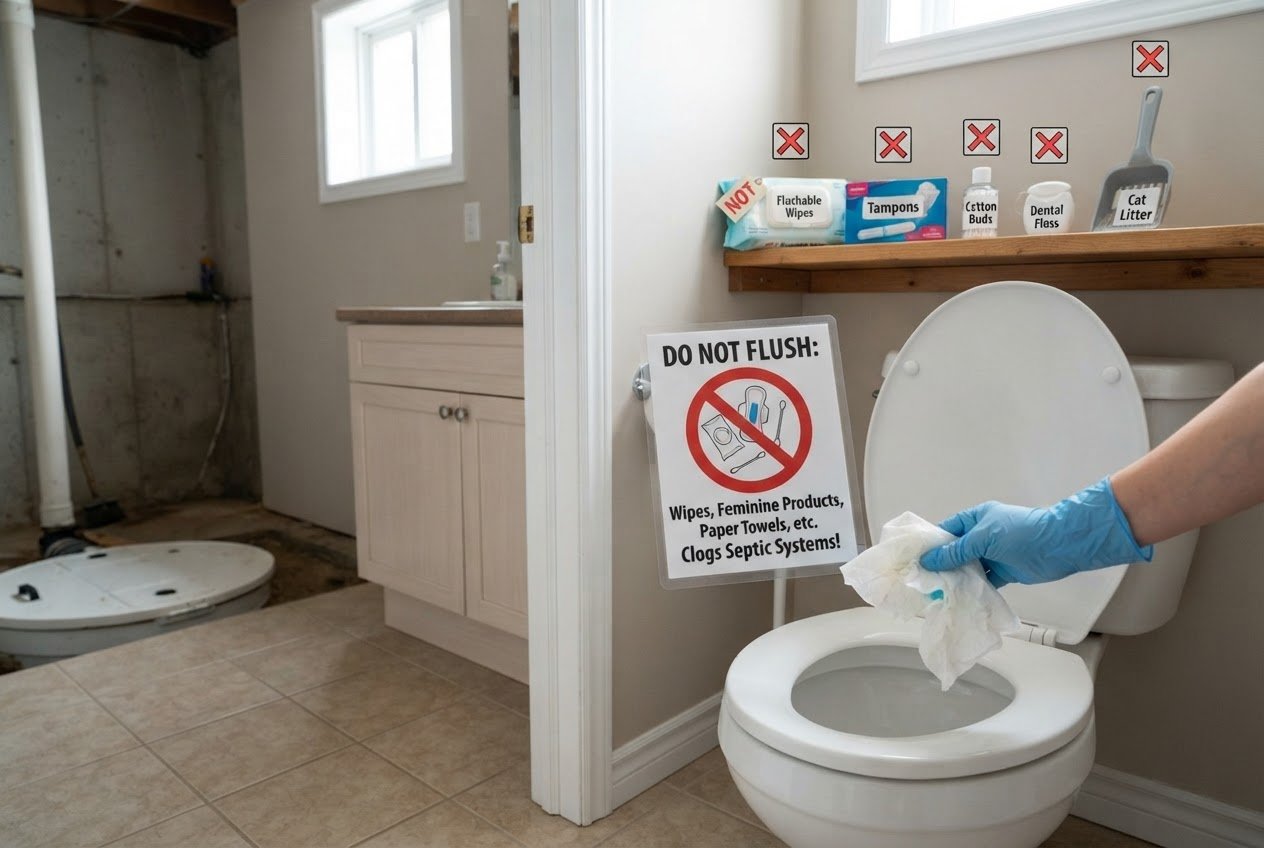
What not to flush down your toilet with a septic tank
With a septic tank, the toilet should only handle human waste and septic-safe toilet paper, and everything else belongs in the trash.
-

How much does a new septic system cost in Georgia
A standard new septic system in Georgia commonly lands somewhere around $5,000 to $15,000, and tricky lots or engineered systems can push it well past that.
-
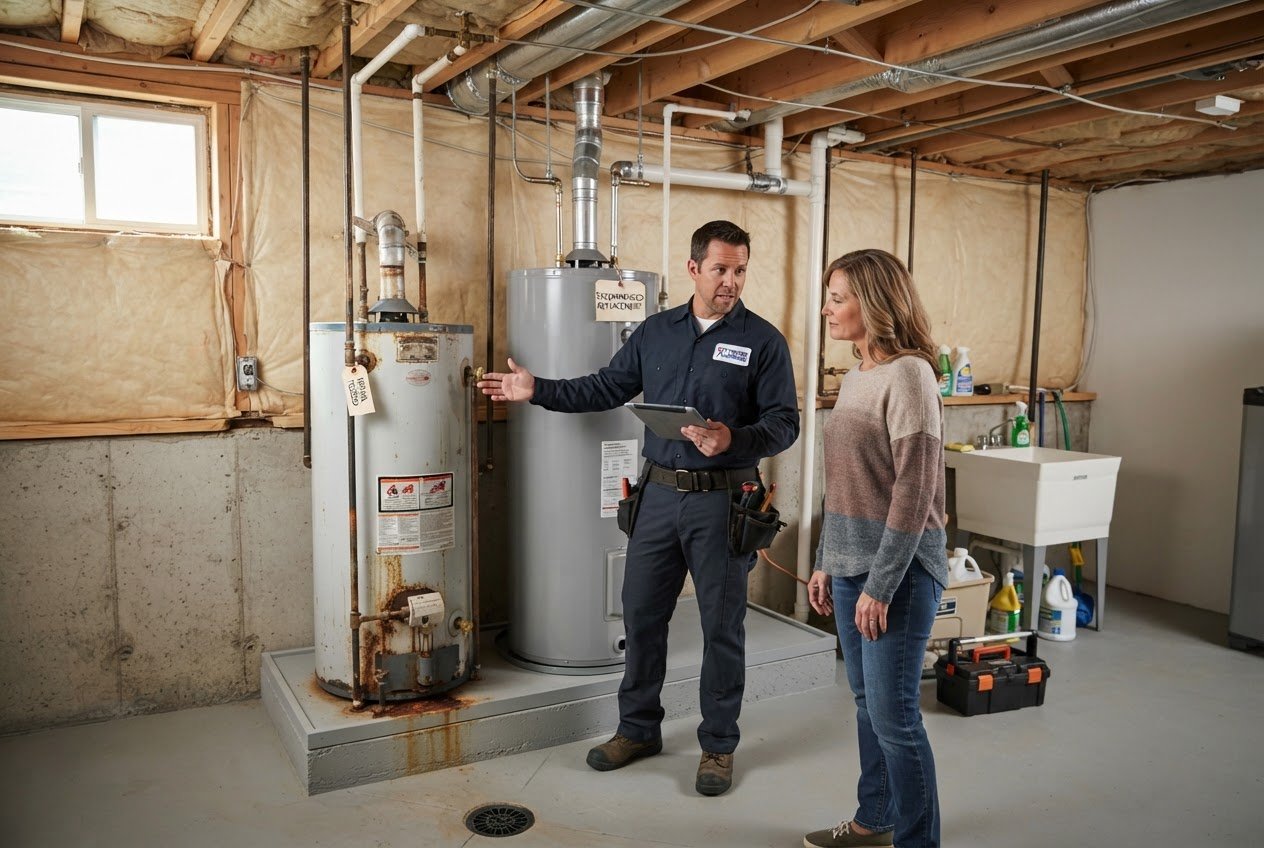
When to replace your water heater vs repair
Repair a water heater under about 8 years old when the problem is a single part, and replace it when the tank leaks, it's past 10 years, or repairs keep stacking up.
-
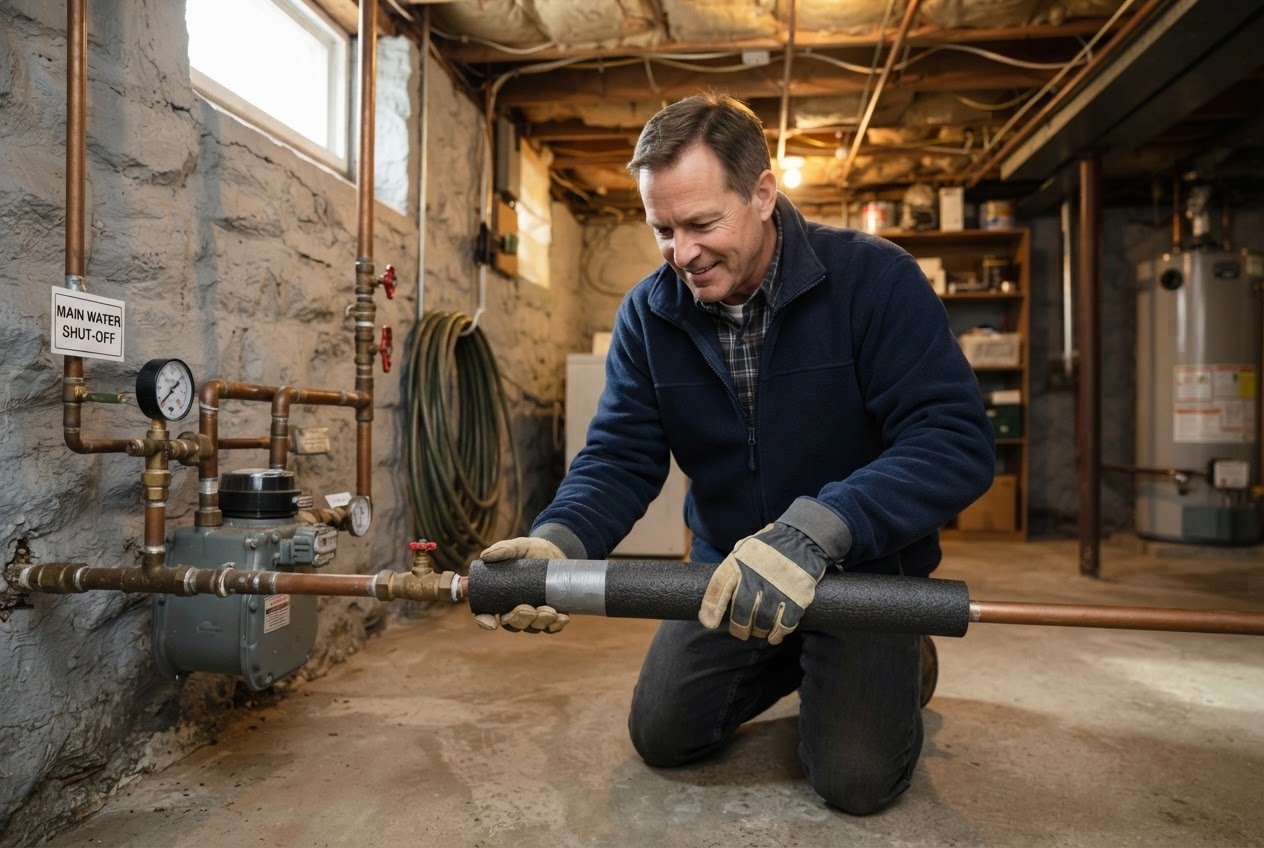
The five minute check that stops a frozen pipe
Five minutes spent on outdoor faucets, pipes in unheated spaces, outside-wall cabinets and your main shutoff valve is the most effective way to stop a pipe freezing before a cold…
-
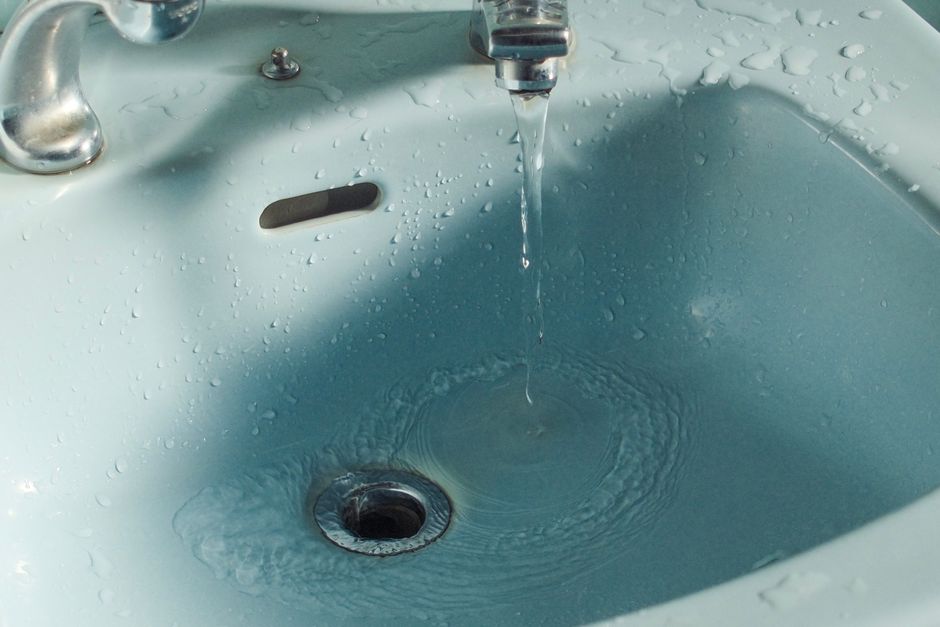
Why your kitchen sink drains slowly and how to fix it
A slow kitchen sink is usually caused by grease and food buildup in the trap under the sink, and most people can clear it themselves with a bucket, pliers, and a little patience.
-
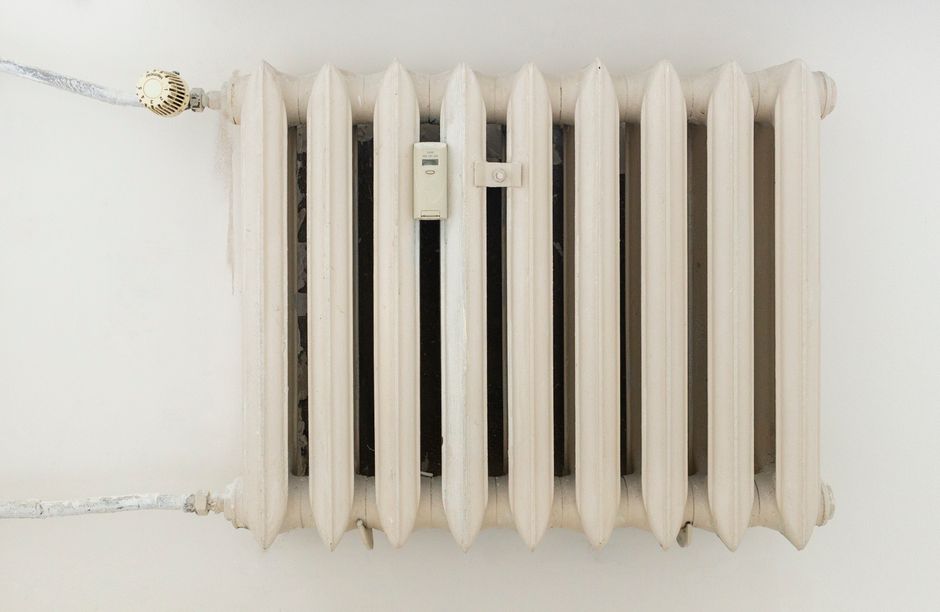
How to stop a water heater from making noise
Most water heater noise comes from sediment on the bottom of the tank, and you can usually stop it by flushing the tank out with a garden hose.
-
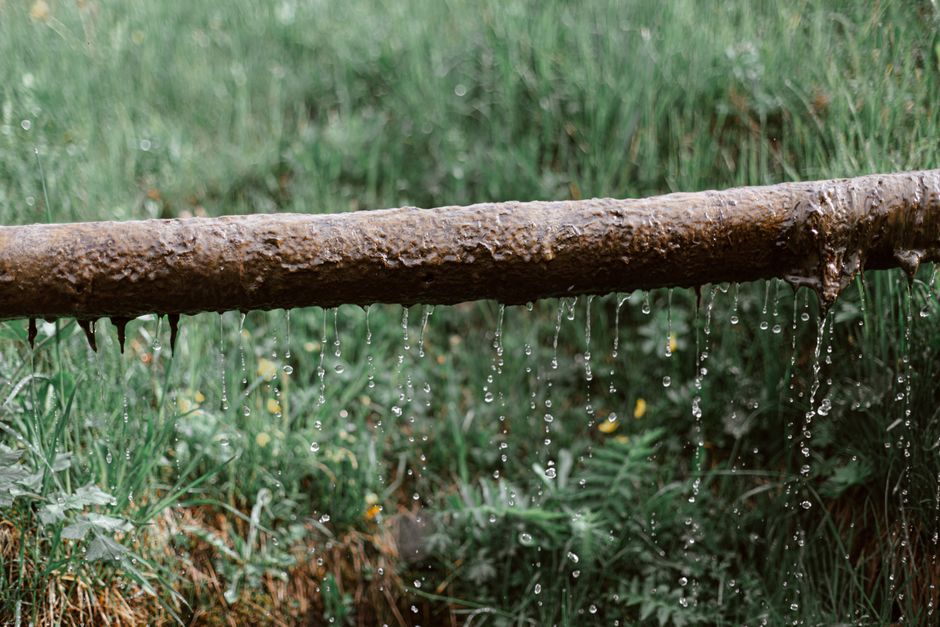
Leaking pipes and water damage warning signs
Catching a leak early can save you thousands in repairs, and most warning signs show up well before major damage happens.
-
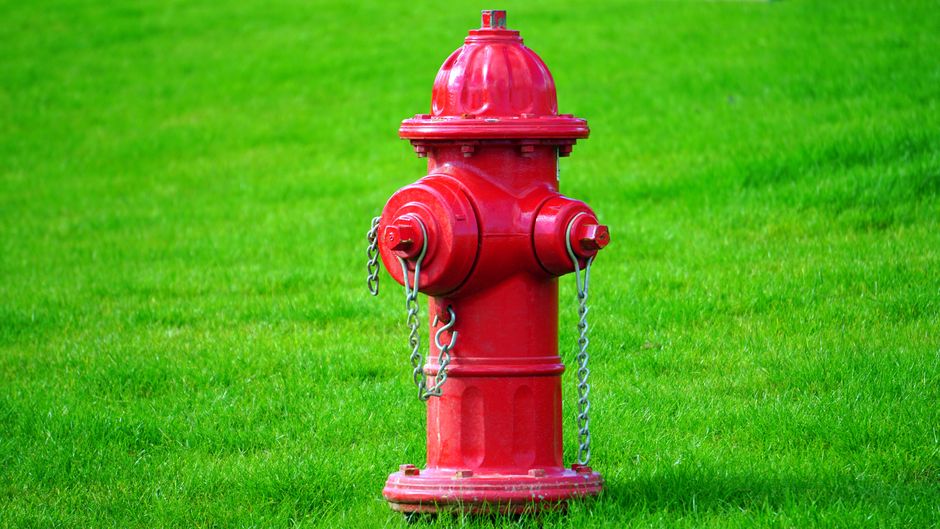
Septic system inspection what the inspector looks for
A septic inspector checks your tank, drain field, and system components to catch problems before they become expensive repairs.
-

How to prepare your septic system for winter
A few simple steps now will keep your septic system running smoothly through freezing temperatures and heavy snow.
-

The cost of septic tank pumping in Atlanta
Septic tank pumping in Atlanta typically costs between $300 and $500, depending on tank size, location, and how full it is.
-
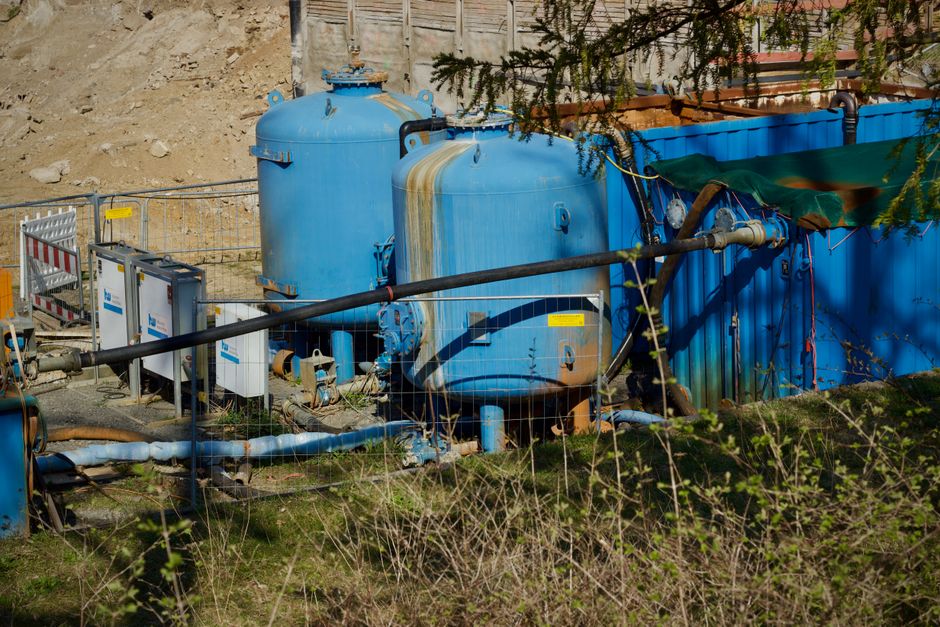
Why your septic tank is backing up into the house
Sewage backing up into your house means your septic system can't drain, and you need help today.
-
Can you use drain cleaner with a septic system
Most common drain cleaners will damage or kill the bacteria your septic system needs to work.
-
Signs your septic tank is failing and needs replacement
A failing septic tank won't always announce itself loudly, but there are reliable signs to watch for.
-
What happens if you don't pump your septic tank
Skipping septic tank pumping might save money now, but the consequences can be expensive and messy.
-
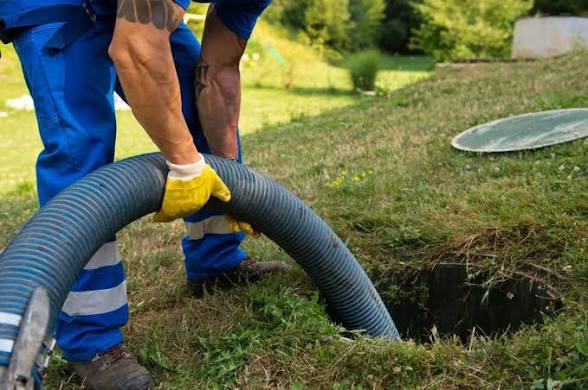
How Often Should You Pump Your Septic Tank?
Septic tank pumping keeps your system healthy and prevents costly backups. Here's what you need to know about timing.