How Often Should You Pump Your Septic Tank?
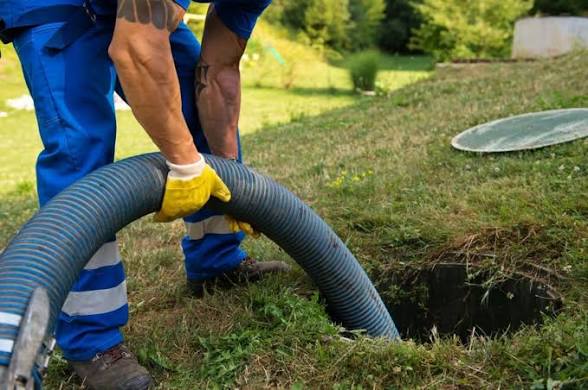
If you have a septic system, pumping is not something you do once and forget about. Regular septic tank pumping is essential for a healthy system, and knowing when to schedule it can save you thousands in repairs and headaches down the road. This guide walks you through the factors that determine your pumping schedule and how to know when it's time to call.
The General Rule: Every 3 to 5 Years
Most septic systems need pumping every 3 to 5 years. This is the standard recommendation for residential systems, and it's based on the idea that this is how long it takes for solid waste (called sludge) to build up to a level where it needs to be removed.
However, this is a starting point, not a hard rule. Your actual pumping schedule depends on several factors specific to your home and system. Some homes need pumping every 2 years, while others can safely go longer than 5.
Factors That Speed Up Your Pumping Schedule
Your tank fills faster if you have a higher volume of household use. Here's what increases how often you'll need pumping:
- Household size: More people means more water and waste going into the tank. A family of six will fill the tank faster than a couple living alone.
- Garbage disposal use: Grinding food waste in your sink sends solids directly to your septic tank. Heavy disposal use can cut your pumping interval in half.
- Septic tank size: A smaller tank fills faster than a larger one serving the same household.
- High-volume water use: Frequent loads of laundry, long showers, or running water constantly speeds up tank filling.
- Grease and non-flushable items: Pouring cooking grease or flushing paper towels, wipes, and hygiene products clogs your system and fills the tank with material that doesn't break down.
If any of these apply to your home, you may need pumping more frequently than every 5 years.
Factors That Extend Your Pumping Schedule
On the other hand, some households can safely go longer between pumpings:
- Fewer people: A single occupant or retired couple produces less waste.
- Larger tank: More volume means it takes longer to fill.
- Conservative water use: Shorter showers and mindful habits reduce the load on your tank.
- No garbage disposal: Food waste creates extra solids. If you compost or trash food scraps instead, your tank stays cleaner longer.
Signs It's Time to Pump
Don't wait until a problem forces your hand. Watch for these warning signs:
- Slow drains throughout your home, especially in lower bathrooms or the basement.
- Toilets that back up or gurgle when you flush.
- Unusually green patches or wet areas over your drain field.
- Foul odors inside or outside the house.
- Septic system alarms, if your system has one.
If you notice any of these, call right away. A small problem caught early is much cheaper to fix than a backed-up system that damages your yard or home.
The Best Approach: Keep a Record and Get an Inspection
The most reliable way to stay on schedule is to track when you last had your tank pumped. Write it down or ask us to send a reminder. When we pump your tank, we also inspect it, which tells us whether the system is draining properly and alerts us to issues before they become emergencies.
Use the 3 to 5 year rule as your baseline, adjust based on your household size and water use, and never ignore the warning signs. Regular pumping and inspection keep your septic system running smoothly and protect your investment in your home.
Ready to schedule your next septic pumping or not sure when you last had it done? Contact us today to get on a maintenance schedule that works for your home and family.