Why your kitchen sink drains slowly and how to fix it
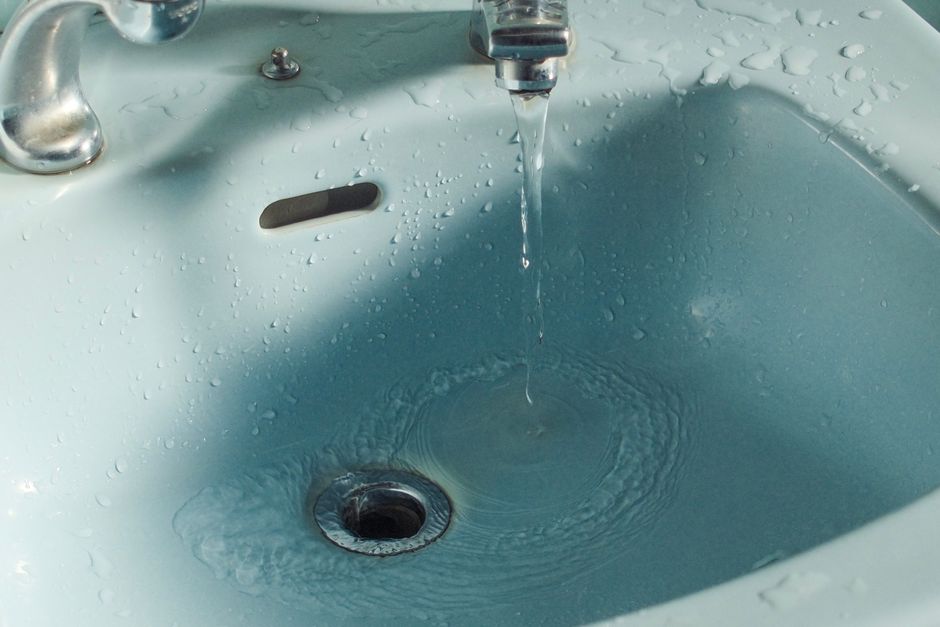
A kitchen sink that drains slowly almost always has one of three causes: grease and food residue coating the pipes, a clog sitting in the P-trap (the curved pipe directly under the sink), or a blockage further down the drain line that is affecting more than just your sink. The first two you can usually deal with yourself in under an hour. The third one needs a different approach, and it helps to figure out which one you have before you start pulling things apart.
Find out whether it is just your sink
Start by checking the other drains in the house. Run the bathroom sink, then the shower or tub, and listen and watch for how they behave. If those drains are also slow, or if you hear gurgling from the kitchen sink when water goes down the bathtub, the problem is probably in the main drain line. A plunger or a clog cleaner under the kitchen sink won't fix that, and you should stop trying to force it.
If only the kitchen sink is slow, the blockage is local. Fill the basin two or three inches with water, pull the stopper, and watch closely. A steady, slow drain points to a partial clog in the trap or the pipe just below it. Gurgling usually means air is trapped behind a blockage that is further down the line and the water is struggling to get past it. Either way, the next step is the same: check the trap.
Clear the trap under the sink
Put a bucket directly under the trap before you touch anything, because it will have water in it. Loosen the two slip nuts that hold the trap in place. Most of them can be turned by hand, but if they are stuck, use a pair of pliers with a rag wrapped around the nut so you don't scratch the finish. Pull the trap down and empty it into the bucket.
What you find in there tells you a lot. A grey, greasy sludge with food bits in it is the most common culprit, and that means the drain has been slowly building up for a while. Hair and soap scum make a dense mat that catches everything else. Scrape out whatever is inside, rinse the trap with hot tap water, and check the washers at each joint. If a washer is flattened, cracked, or missing, replace it, because a bad washer will drip under the sink no matter how clear the drain is.
Reinstall the trap by hand first, then tighten the nuts until they are snug. Don't crank them down with pliers. Over-tightened plastic nuts crack, and then you have a leak to deal with in addition to the slow drain. Run the tap for a minute and check underneath for drips.
If the sink still drains slowly after the trap is clean, the clog is further down the line. Put a plunger over the drain with a few inches of water in the basin. If you have a double sink, plug the other basin's drain with a wet rag so the plunger has something to push against. Give it a firm, steady set of pushes, then pull up sharply. Repeat several times. If that doesn't clear it, a hand drain snake (sometimes called an auger) can reach past the trap arm. Feed the cable in slowly, turn the handle to work through the blockage, then pull it back out and run hot water to check the flow.
Keep it from coming back
Most kitchen sink clogs come from the same few habits, so the fix is mostly about changing what goes down the drain. Don't pour cooking grease or oil into the sink, even when it is hot. It looks like a liquid while it is hot, but it cools and sets inside the pipe. Pour it into a container, let it cool and harden, and throw it in the trash. Wipe greasy pans with a paper towel before you wash them.
Use a strainer in the basin to catch food scraps, coffee grounds, and eggshells. Empty it into the trash or compost, not the sink. Coffee grounds and eggshells are the sort of thing that looks harmless but piles up in the trap over months. If you have a garbage disposal, running it with cold water still won't stop grease from sticking to the pipe walls, so the same rules apply.
You will often see advice to pour baking soda and vinegar down the drain. It makes a satisfying fizz, but it rarely clears a real clog. Think of it as an occasional rinse for odor, not a repair. A good habit is to clean the trap once or twice a year, whether it is slow or not, because it takes about fifteen minutes and it is much easier than digging out a packed trap later.
Call a plumber if more than one drain in the house is slow, if you notice sewage smells or water backing up in the shower or toilet when you run the kitchen sink, or if the clog comes back within a few weeks of clearing it. Those are signs the blockage is in the main line, and that needs a camera inspection or a larger cable to clear properly.
If you have worked through these steps and the sink is still draining slowly, reach out to Joe's Plumbing. Tell us which drains are affected, what you have already tried, and whether you see any gurgling or backup, so we can come prepared with the right tools for the job.