Leaking pipes and water damage warning signs
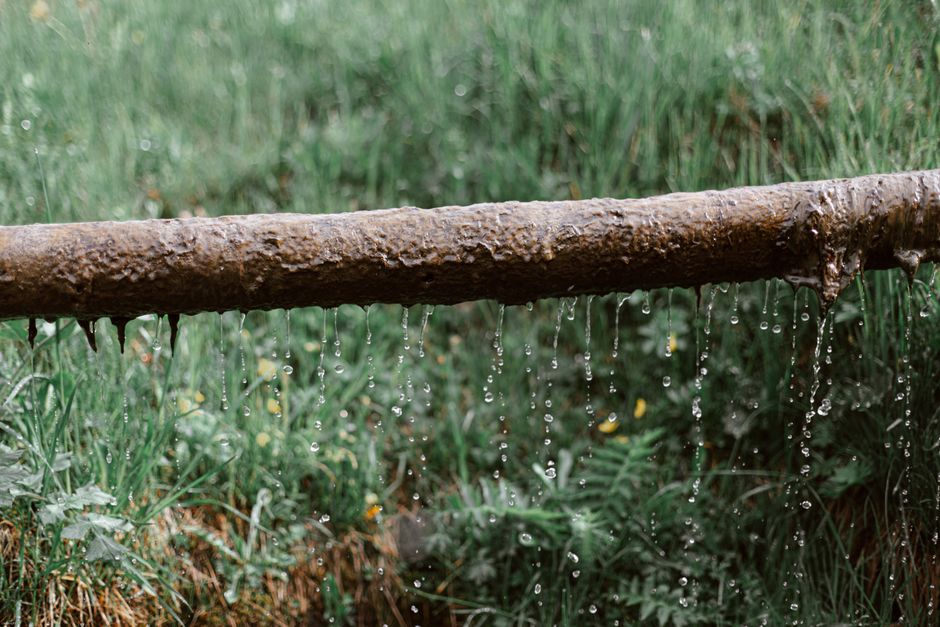
Leaking pipes and water damage aren't usually dramatic events. They sneak up on you, hiding behind walls and under floors until the damage gets serious and expensive. But your home gives you warnings well before that point. If you know what to look for, you can spot trouble early and call a plumber before a small leak becomes a big problem.
Visible water stains and soft spots
Water stains are the most obvious sign of a leak. Look for brown, yellow, or discolored patches on your ceilings, walls, or floors. These stains usually appear directly below where water is coming from, so they're a solid clue about location. They might start small and spread over time, or you might notice new ones appearing after heavy rain or after you use a lot of water indoors.
Soft spots in drywall, flooring, or wood are equally important. Press gently on any suspicious area. If it feels spongy, damp, or collapses even a little under light pressure, water has been sitting there long enough to do damage. Don't ignore soft spots. They mean the water has been there for days or weeks, and the material is breaking down. The longer you wait, the more structural damage happens and the more expensive the fix becomes.
Mold, mildew, and musty smells
Mold and mildew grow wherever there's moisture, and they show up fast. You might see black, green, or white spots on walls, ceilings, or in corners. Sometimes you'll smell the problem before you see it: a musty, earthy odor that seems to come from a specific area or from inside your walls.
If you notice mold, especially black mold, you're already dealing with sustained moisture. This isn't just a plumbing problem anymore; it's a health issue too. Get it inspected and fixed quickly. The mold is a symptom, and the real problem is the water source behind it. Cleaning the mold without fixing the leak will just bring it back.
Unusually high water bills and sounds in walls
Check your water bill regularly. If it jumps up for no obvious reason (you didn't change habits, you're not watering the lawn more, nobody is taking longer showers), a hidden leak is the most likely culprit. Even a small leak wastes hundreds of gallons a month. A running toilet alone can add fifty dollars to your bill.
Listen to your walls too. If you hear running water when nobody is using water, or hissing sounds coming from inside the walls, you've got a leak. Pipes should be silent. Water flowing where it shouldn't be is always worth investigating. The sound travels through your walls, so the actual leak might be far from where you hear it, but hearing it at all means something needs attention.
Reduced water pressure and discolored water
Sudden drops in water pressure throughout your home signal a leak somewhere in your main line. If only one fixture is losing pressure, that fixture has a local problem. But if your whole house is affected, water is escaping somewhere it shouldn't be.
Discolored water is also a red flag. Brown, yellow, or cloudy water usually means corrosion inside your pipes or sediment buildup, and it can indicate the pipes are breaking down from the inside. Rusty water tastes terrible and can stain your fixtures and laundry. While not always a leak, discoloration means your pipes are deteriorating and failure is probably coming soon.
What to do when you spot these signs
Don't wait to see if it gets worse. Call a plumber as soon as you notice any of these warning signs. The cost of inspection and repair now is nothing compared to what you'll pay for water damage repair, mold remediation, or structural fixes down the road. A plumber can pinpoint the leak, tell you how serious it is, and fix it before it spreads.
Water damage gets exponentially more expensive the longer you ignore it. A small leak that costs a few hundred dollars to fix today might cost thousands tomorrow. Catch it early, and you protect your home and your wallet.